What Parents and Communities Need to Know about the Federal Hemp Law Changes
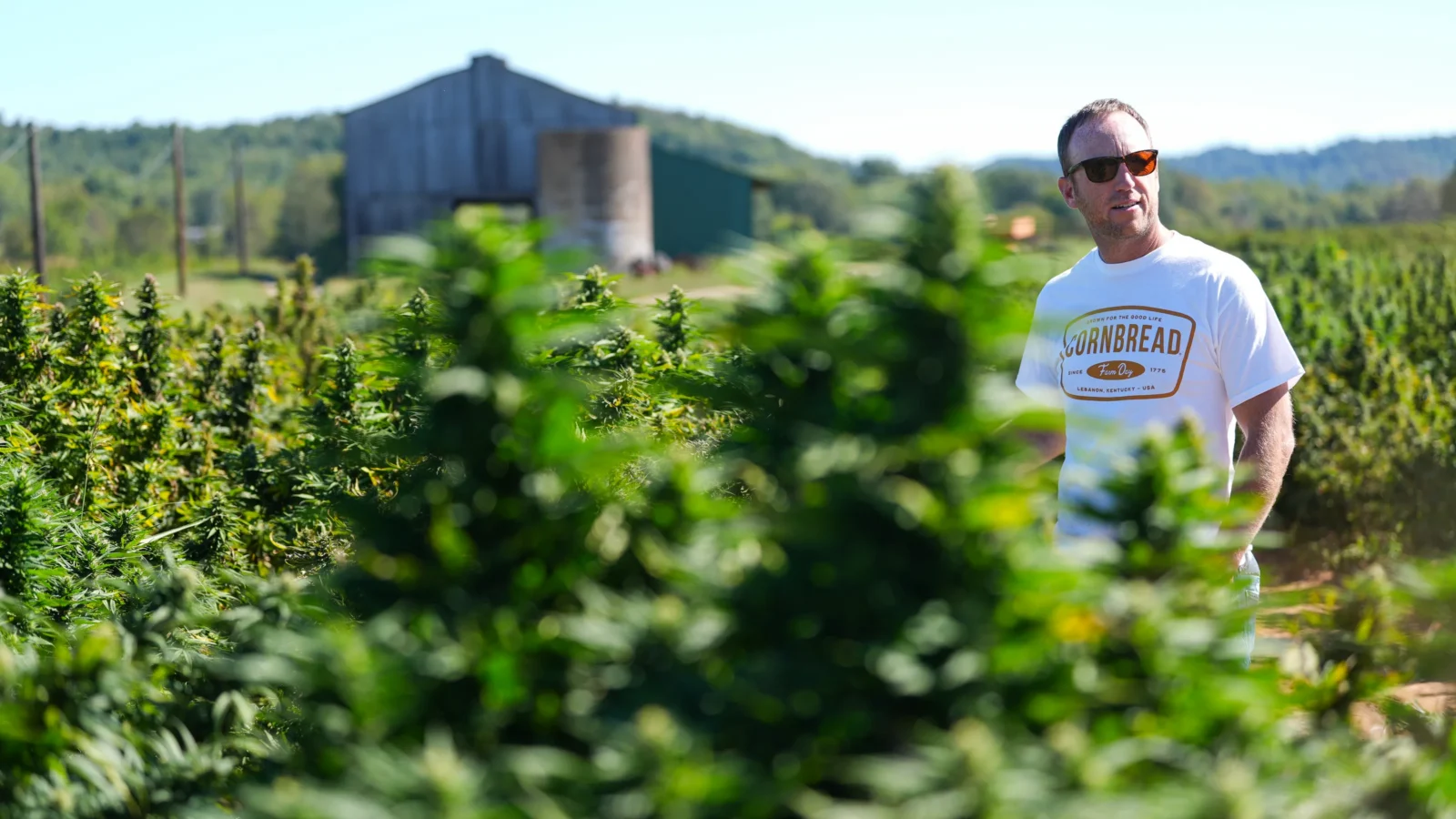
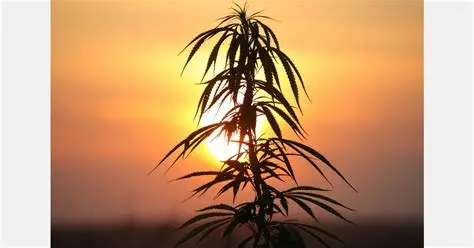
New federal restrictions on hemp-derived THC products are approaching, raising important questions about product safety, youth access, and the changing cannabis market.
For several years, hemp-derived products containing intoxicating forms of THC have been sold across the country. Some have appeared in the form of gummies, beverages, vape products, oils, and other products that look similar to everyday consumer items.
Many of these products have been marketed as legal hemp, even when they contain enough THC to produce intoxicating effects.
Now, changes to federal law are set to significantly restrict which products can legally be classified as hemp.
For parents and prevention organizations like the Salmon Substance Abuse Prevention Coalition (SSAPCO), these changes provide an opportunity to better understand what is being sold, how products are marketed, and why youth access remains an important concern.
How Did We Get Here?
The 2018 Farm Bill legalized hemp at the federal level by defining it as cannabis containing no more than 0.3% delta-9 THC by dry weight.
THC is the primary intoxicating compound associated with marijuana.
However, the law focused on delta-9 THC rather than all forms of THC and related cannabinoids. This created opportunities for manufacturers to develop and sell products containing other intoxicating cannabinoids while marketing them as hemp.
Products containing delta-8 THC, delta-10 THC, and other cannabinoids became increasingly common in parts of the country.
The result was a confusing marketplace where products labeled as hemp could still cause intoxication.
What’s Changing Under Federal Law?
In November 2025, Congress approved changes to the federal definition of hemp, with the new restrictions scheduled to take effect in November 2026.
Three major changes are especially important.
1. A broader measurement of THC
Previously, the federal definition focused primarily on delta-9 THC.
The updated law uses a total THC standard that includes THCA, a compound that can convert to THC when heated. It also addresses certain other cannabinoids with similar intoxicating effects.
This means products that previously qualified as hemp based on their delta-9 THC content may no longer qualify under the updated definition.
2. A strict limit on THC in finished products
The new federal law excludes finished hemp-derived cannabinoid products containing more than 0.4 milligrams of combined total THC and certain similarly acting cannabinoids per container.
That’s an extremely small amount compared with many intoxicating hemp-derived products currently marketed in other states.
For example, a package of gummies containing multiple servings of THC could exceed the limit even if each individual gummy contains a relatively small dose.
The law looks at the amount in the container, not simply the amount in one serving.
3. Restrictions on synthetic and chemically converted cannabinoids
The law also excludes certain cannabinoids that are produced synthetically or manufactured outside the cannabis plant.
This includes many products marketed using names such as delta-8 and other alternative forms of THC.
The intent of these changes is to narrow the federal hemp definition so it no longer covers many intoxicating cannabinoid products.
What About CBD and Industrial Hemp?
Not all hemp products are intoxicating, and not all are affected in the same way.
Industrial hemp grown for fiber, grain, and other agricultural uses remains an important distinction under federal law.
CBD, or cannabidiol, is another cannabinoid found in cannabis plants. Unlike THC, CBD does not typically produce intoxication.
Some CBD products may continue to qualify as hemp under the updated federal definition, depending on their ingredients and THC content.
However, products containing even small amounts of THC may be affected by the new restrictions.
Consumers should also understand that a product being marketed as CBD or hemp does not automatically mean it is legal in every state or appropriate for young people.
What Does This Mean for Idaho?
Idaho already has some of the nation’s stricter restrictions on THC-containing products.
Under Idaho law, manufactured CBD products must contain zero THC. Intoxicating marijuana products are not legalized for general recreational sale in the state.
That means many hemp-derived THC products sold legally in other states are already prohibited in Idaho.
The new federal restrictions do not mean that these products were previously legal in Idaho, nor do they replace Idaho’s existing laws.
However, the changes could affect the broader national marketplace, including products marketed online and products transported across state lines.
For Idaho families, it remains important to understand that something advertised as federally legal hemp may still be prohibited under state law.
Why Does This Matter for Youth Prevention?
One of the concerns surrounding intoxicating hemp products has been the way some are packaged and marketed.
Gummies, flavored beverages, colorful packaging, and sweet-tasting products can make THC-containing items appear less concerning than traditional marijuana products.
The word hemp can also create confusion.
Some people associate hemp with agricultural products or non-intoxicating CBD and may not realize that certain hemp-derived products can produce effects similar to marijuana.
For teenagers, that distinction matters.
Adolescence is a critical period of brain development. THC exposure can affect attention, memory, learning, coordination, and decision-making, with risks influenced by factors such as frequency of use and THC potency.
Highly concentrated products may also increase the risk of unwanted or severe reactions.
Parents should know that a product’s legal classification does not necessarily tell them whether it is safe.
What Can Parents Do?
The most important step is to stay informed and keep conversations open.
Ask your teenager what they know about hemp, CBD, delta-8, and THC products.
You may be surprised by what they’ve seen online or heard from friends.
Talk about the difference between a product being marketed as legal and a product being safe.
Pay attention to unfamiliar gummies, vape cartridges, beverages, or other products that may contain cannabinoids.
And continue setting clear expectations about substance use.
Here in Lemhi County, our 2026 SSAPCO Student Survey found that 86% of Salmon High School students reported parental disapproval of marijuana use.
That’s encouraging. It reminds us that parents continue to have an important influence on their children’s decisions.
Prevention Doesn’t Stop With Legislation
Changes in federal law may reduce the availability of certain products in the legal hemp marketplace, but legislation alone cannot eliminate youth substance use.
Young people still need accurate information, strong relationships with trusted adults, positive activities, and opportunities to feel connected to their schools and communities.
At SSAPCO, we will continue monitoring emerging substance trends, sharing prevention information, supporting Drug Free Youth leadership, and working with community partners to reduce youth access to alcohol and other drugs.
The cannabis marketplace has changed significantly over the past several years, and additional changes are likely.
Our responsibility is to help families understand those changes without creating unnecessary fear or confusion.
The products may change. The laws may change. But the importance of protecting our youth and helping them make informed, healthy choices remains the same.
Salmon Substance Abuse Prevention Coalition (SSAPCO)
U.S. Code — Federal Definition of Hemp
Congressional Research Service — Changes to Federal Hemp Definition
More posts
Hello world!
Welcome to WordPress. This is your first post. Edit or delete it, then start writing!
Read moreThe Story Behind the Red Ribbon
Every October, students across the country celebrate Red Ribbon Week. Schools hold special activities, students dress up for theme days, and communities…
Read more83% of Idahoans Don’t Use Drugs
Most people in Idaho are already living drug-free. Recent data shows that 83 percent of Idahoans have not used illicit drugs in…
Read more