Student Assistance & Life Skills
Evidence-based classroom programmes, and a route to support for students who need more than a classroom can give.
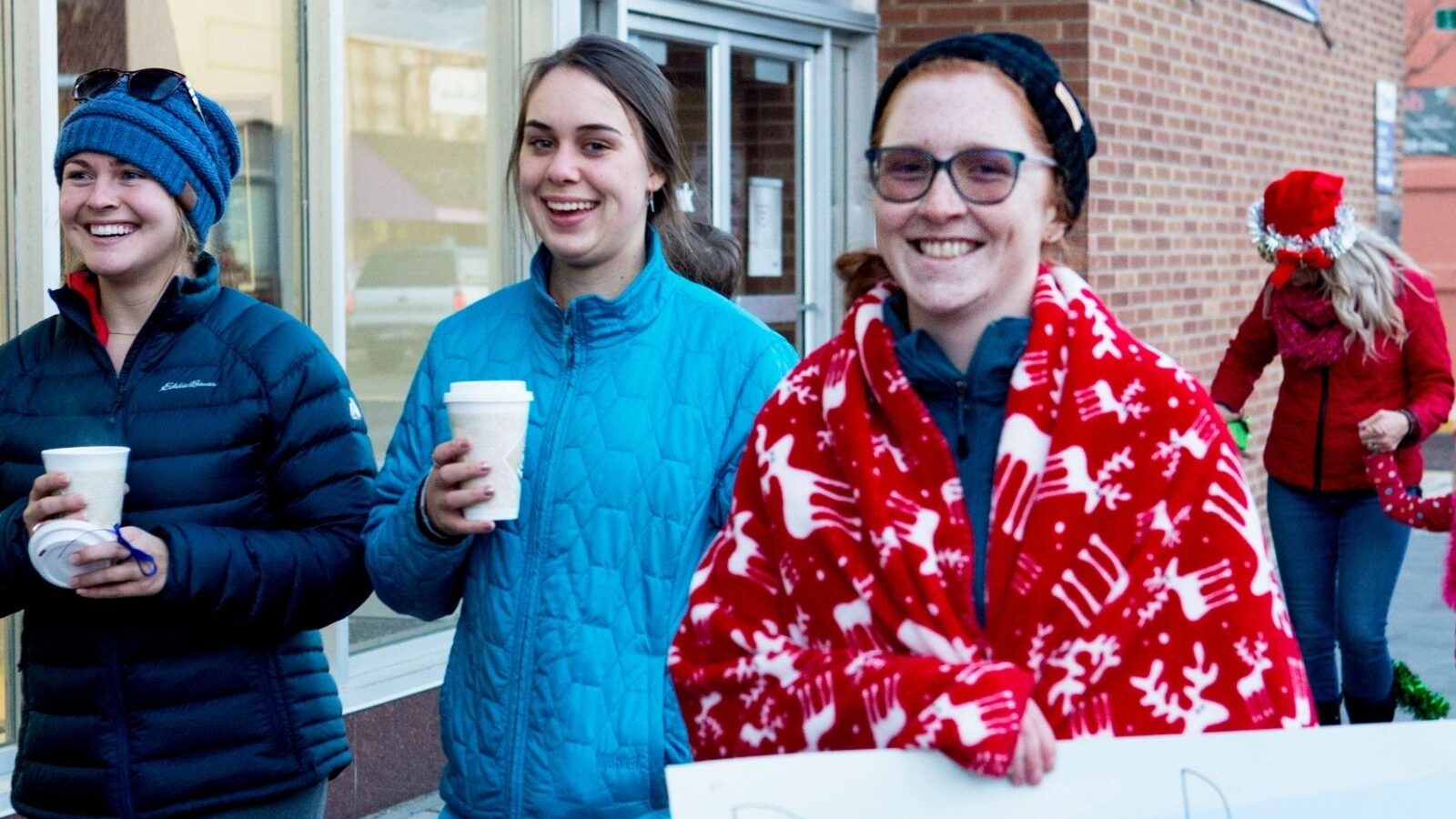
Some prevention belongs in an assembly hall. Some belongs in a classroom, taught properly, over weeks.
Life Skills
Life Skills Training is one of the most heavily evaluated substance abuse prevention curricula in existence, and it works by teaching general competence rather than lecturing about drugs. Students practise decision-making, managing anxiety and anger, resisting media and peer pressure, and communicating under social pressure. Substance use is one application of those skills, not the whole subject.
The coalition has certified instructors in Life Skills, and works with local schools on delivery.
The Student Assistance Program
Prevention has a limit. Some students are already dealing with something — their own use, a parent’s drinking, a mental health problem underneath both — and a classroom curriculum will not reach it.
The Student Assistance Program (SAP) is the route for those students. A trained facilitator meets with a student, works out what is actually going on, and connects them to the right support. It is confidential within the ordinary limits, and it is not a disciplinary process.
For parents and teachers: if you are worried about a specific student, you do not need to be certain before you say something. Contact the school, or call Amber Pace on (406) 542-6596. Raising it early is almost never the wrong call.
Growing our own capacity
A rural county cannot rely on specialists driving in from elsewhere. Building local certified instructors and facilitators — people who live here and will still be here in five years — is one of the coalition’s sustainability goals, and one of the clearest legacies of the Drug Free Communities grant.
More programs
Red Ribbon Week
Every October, Salmon takes part in the largest drug prevention campaign in the United States — led by our own students.
Read more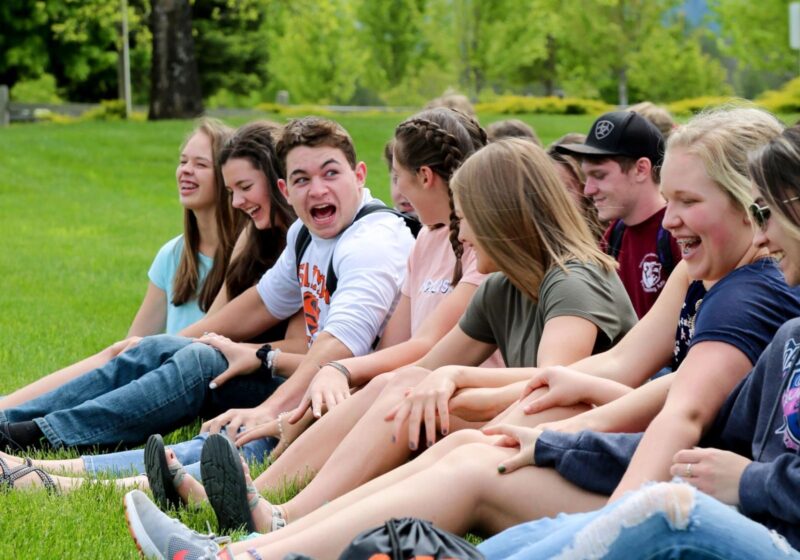
Salmon Drug Free Youth
A group of Salmon High School students changing the culture around drugs and alcohol at their own school — and running the…
Read more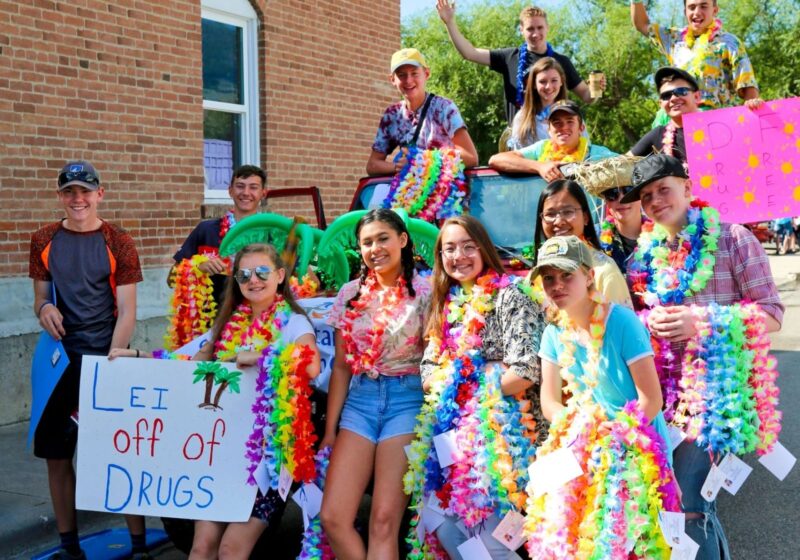
Community Education & Awareness
Accurate, local information about alcohol, vaping, marijuana and prescription drugs — for parents, students and the wider community.
Read more